
Why is my attic so much hotter than it is outside?
An attic gets hot when heat from the sun builds up under the roof and has no good way to escape. Attic ventilation lets cooler air in at the soffits and lets hot air out near the top of the roof. Proper ventilation starts with the right amount of air intake, so adding more exhaust alone does not always solve the problem.
How Attic Ventilation Works
Attic ventilation has two parts. Intake vents, usually in the soffits, let outside air into the attic. Exhaust vents, such as ridge vents, turbines or attic fans, let hot air and moisture out.
Both parts need to work together. A common guideline is to have at least as much intake as exhaust.
If an attic fan does not have enough intake, it can pull conditioned air from inside your home through gaps in the ceiling. That is why intake should be checked before a fan is added.
Mixing Different Types of Vents
Some roofs have more than one type of exhaust vent, such as a ridge vent along with turbines or gable vents. In some cases one vent can pull air from another instead of from the soffits, which leaves part of the attic without good airflow.
How a Hot Attic Affects Your Home
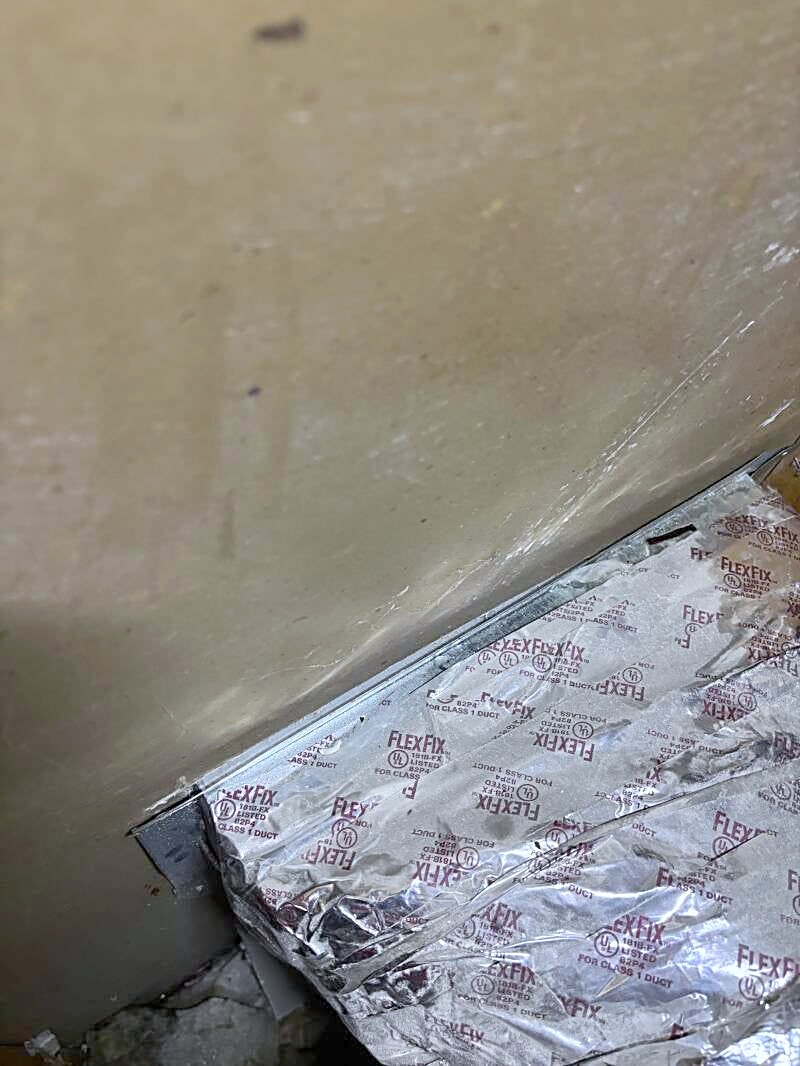
Heat in the attic can shorten the life of your shingles. It can also make your air conditioning system work harder, especially when ducts run through the attic.
Improving attic ventilation and insulation and sealing duct leaks can help your home stay more comfortable and reduce energy usage.
Related Questions
Is a solar attic fan worth it?
A solar attic fan runs on solar power and helps move hot air out of the attic. It works best when the attic has enough air intake.
How much intake ventilation do I need?
A common guideline is for intake to at least equal exhaust. The right amount depends on the size of your attic and the vents you have.
Will a radiant barrier fix a hot attic?
A radiant barrier can reduce the heat coming through the roof, but it works best along with good attic ventilation.
